
Have you been feeling deeply exhausted and extremely tired lately?
So tired that no amount of sleep seems to help, or even worse, you can’t seem to sleep at all.
Every task feels overwhelming. You zone out often. You feel disconnected, yet somehow remain superficially connected to everything around you.
You’re still doing the dishes, sending emails, going to work, running errands, going out with a friend, and even laughing at a joke.
You’re surviving the day. You’re being productive, and yet you’re left with an unexplainable emotional numbness.
You’re basically wired, but tired.
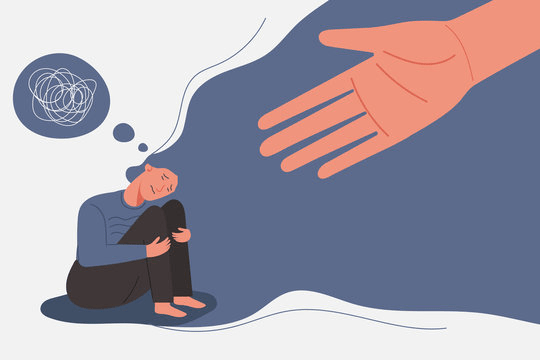
These experiences are often mistaken for depression, burnout, or even laziness. While they can overlap with those experiences.
For some people, this state is often described as functional freeze—a survival response where your body remains stuck in survival mode while you continue to function.
We keep telling ourselves to “pull it together,” believing that if we just try harder, we’ll eventually feel like ourselves again.
There came a point in my life where I felt like I was living life on autopilot.
I felt numb, disconnected, and constantly overwhelmed, and yet I was showing up for everything. I was caring for everyone around me while slowly losing touch with myself.
From the outside, I looked fine. I was getting things done. I was meeting deadlines. I was smiling when I had to. But internally, I was not.
Here’s the thing—it’s called survival mode for a reason.
It’s your body’s way of protecting you when it perceives prolonged stress or overwhelming experiences. Your nervous system adapts by creating a state where you appear functional on the outside while feeling emotionally and mentally stuck on the inside.
Chronic stress and unresolved emotional trauma can leave us feeling this way. It doesn’t just affect our emotions—it shows up in our bodies, our thoughts, and the way we experience everyday life.
When we encounter a threat, our brain activates its survival responses. Most of us are familiar with the fight-or-flight response, where the body prepares to confront danger or escape from it.
What is talked about less is the freeze response
Freeze is another neurobiological survival mechanism seen in both humans and animals. Instead of fighting or fleeing, the nervous system shifts toward immobilization when it perceives that neither fighting nor escaping is possible.
You are functioning.
But you are not truly living.
What we fail to understand is the lack of safety and support that a person experiences.
What others fail to see our bodies recognizes first and protects us.
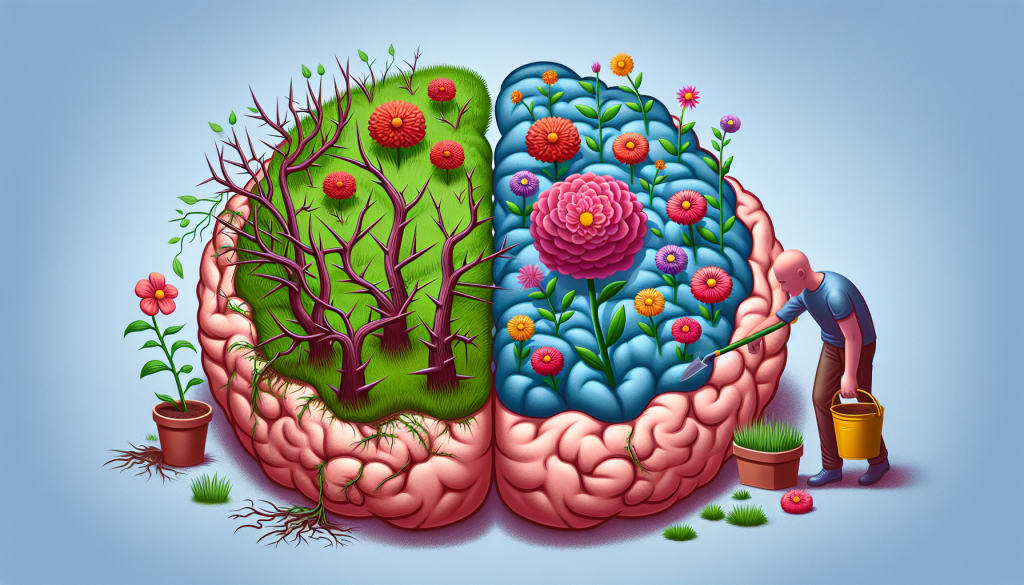
There are gentler ways in which you and I can cope, such as:
- Seeking professional help: If these feelings are persistent, distressing, or affecting your daily life, consider speaking with a qualified healthcare or mental health professional.
- Nervous system regulation: Being gentle with ourselves, and slowly bringing ourselves back from the survival mode. Exercises and body work get your nervous system in the right direction. However, it requires a lot of patience and trust in the process. Focus on small, safe movements.
- Reconnection: Since we have been stuck in survival mode for a long time, we have been dissociating from our very own selves. Try to reconnect and break the barrier between your nervous system and your awareness.
- Emotional safety and support: One thing that I was very sure of was taking my own pace to feel better. You are allowed to take the pace that you want to, no hurry. Create an inner dialogue with yourself that is more compassionate than harsh or critical.
And perhaps what your body needs most isn’t another reminder to “push through,” “pull yourself together”, “snap out of it”, ” be more resilent” , seeing it as a “weakness” or “be better at managing your emotions”.
But it is in creating a safe space for ourselves, feeling safe enough to stop just surviving.
Note: This article is not meant to diagnose any condition. In fact, the term functional freeze is not a formal clinical diagnosis; it is just a term. If these feelings are persistent, distressing, or affecting your daily life, consider speaking with a qualified healthcare or mental health professional.
–Shirley Rebecca John, Assistant Professor of Psychology
I would love to hear your experiences too, because YOUR STORY MATTERS & YOU MATTER!!

Thank You for Reading!


Leave a Reply