
Human beings are the only species that refuse to be what they are; they will do nearly anything to avoid being themselves just to be accepted by others.
I’ve often been asked, “Why are you so quiet? Why don’t you socialize?” And warned that without people, I might end up alone. But aren’t we all, in some way?
Social interaction has always felt difficult—not because I can’t communicate, but because it brings me anxiety. This goes back to my childhood, when even simple interactions felt overwhelming.
I have always hated small talk. It doesn’t mean I hate communication altogether; I do appreciate and yearn for deep and meaningful conversations. I get my highs from them.
Forming relationships hasn’t come easily. I rarely fall in love, but when I do, it runs deep. Maybe that’s the paradox of being an introvert—we think, analyze, and overthink everything before it even begins.
For a long time, I believed I was the problem. I tried to fit in, to be more social, more “normal.” But no matter how much I pretended, I never truly belonged in those spaces.
I grew up watching others apologize for my quietness and sensitivity, and I carried that shame for years.
Eventually, I unlearned it. Introversion is not something to apologize for. No extrovert apologizes for being loud—so why should I for being quiet?
“Why are we embarrassed by silence? What comfort do we find in all the noise?” This was something that I kept resonating with.
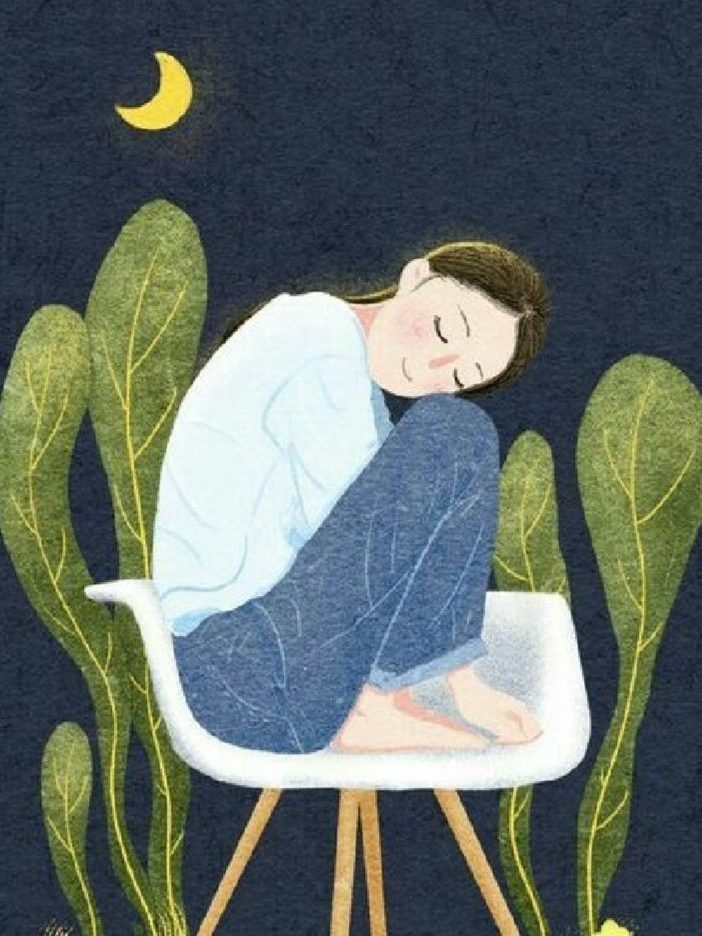
This isn’t just personal. Society still upholds the “extrovert ideal,” the belief that the ideal person is outgoing, dominant, and comfortable in the spotlight.
This idea has shaped how society perceives personality, often placing extroversion above everything else, while quietly sidelining those who aren’t (Powell, 2013).
Yet, in my survey of 208 young people in Urban Bengaluru, many identified themselves as quiet, while still hesitating to see quiet people as socially capable or approachable.
It is strange and ironic—people seem to appreciate silence in their own lives, but struggle to understand it in others.
It seems important for us to allow and appreciate people to be whoever they came to be. We sometimes carry this bias against introverts unconsciously. Asking them to be more open, more interactive, to come out of their shell.
Introverts don’t need fixing. They contribute in their own ways—as leaders, creators, thinkers. “Everyone shines, given the right lighting”(Powell, 2013).
Maybe that’s why I am drawn to quiet people—because with them, you never really know. Are they enjoying their life, or carrying the weight of the world?
But I guess that’s the quiet burden many Introverts carry.
I would love to hear your experiences too, because YOUR STORY MATTERS & YOU MATTER!!
Thank You for Reading!


 shirleyrebeccajohn.blog
Leave a reply to Shirley Rebecca John Cancel reply